Start with the correct glass area
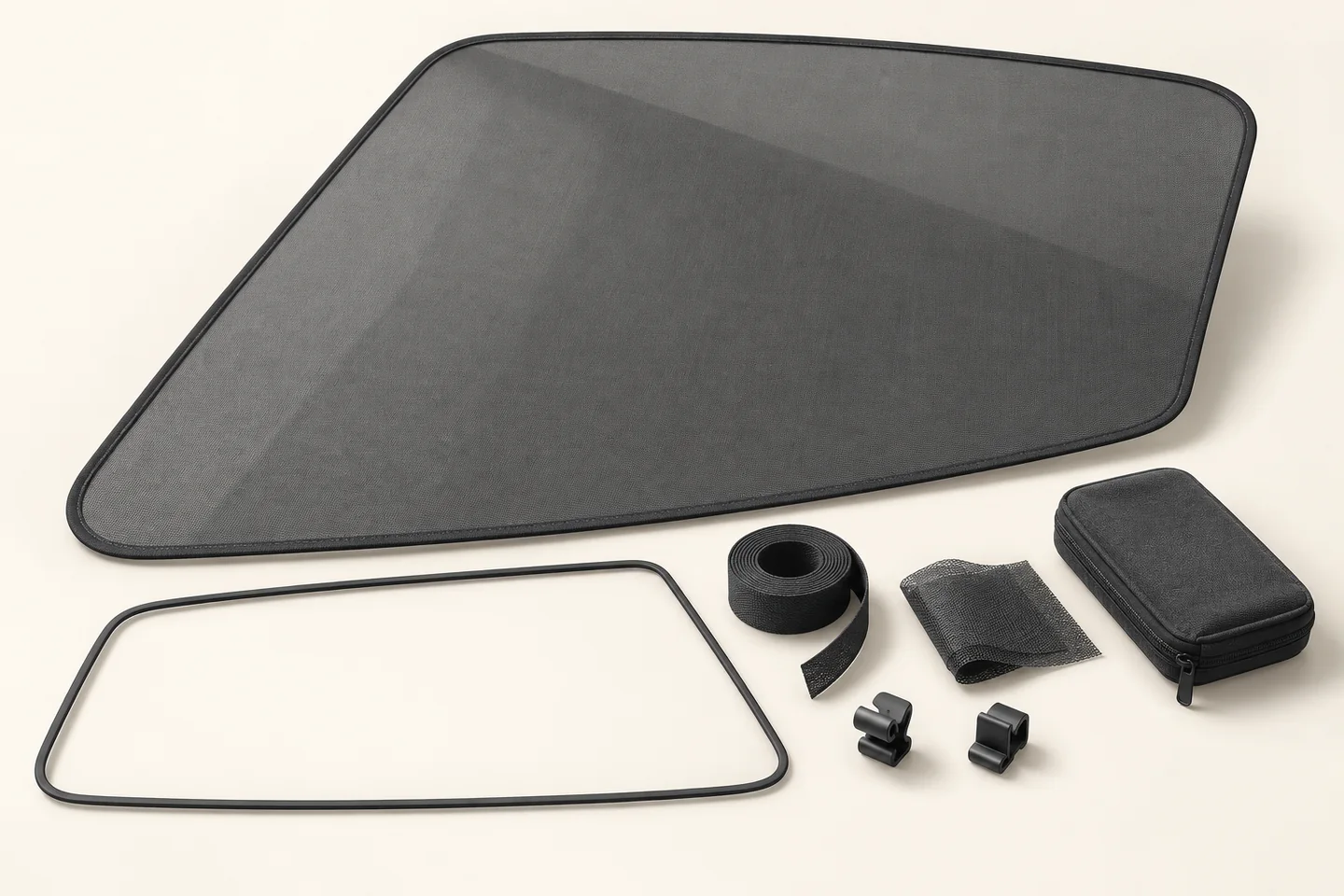
Tesla lists a single removable mesh panel below the fixed roof glass. Its rear-liftgate shade is a separate product. For a custom brief, record the roof outline, headliner clearance and fixing locations.
DONGGUAN, CHINA / OEM & PRIVATE LABEL
We develop automotive sunshades for brands, importers and distributors. Start with the vehicle opening and material brief, then agree the pattern, edge construction, attachments and packing with our Dongguan factory.
100 pieces / style
01 / EQUIPMENT & WORKSHOPS
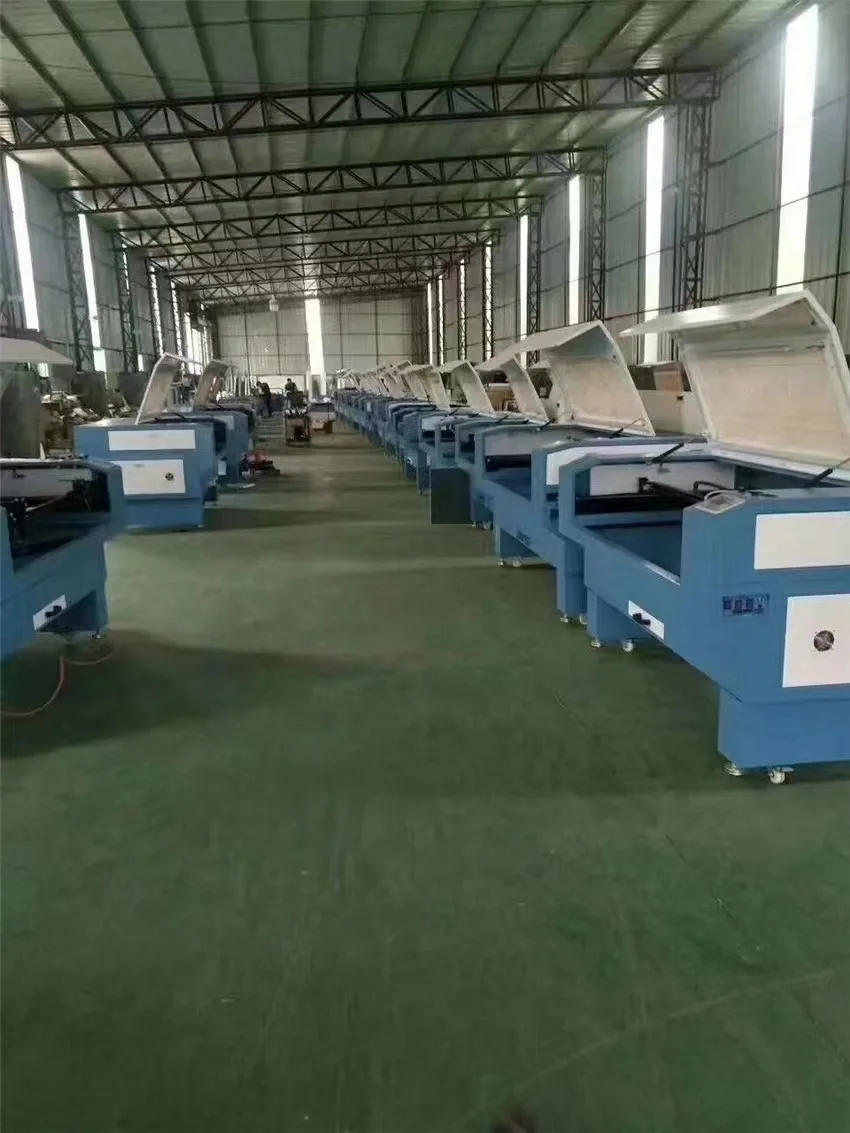
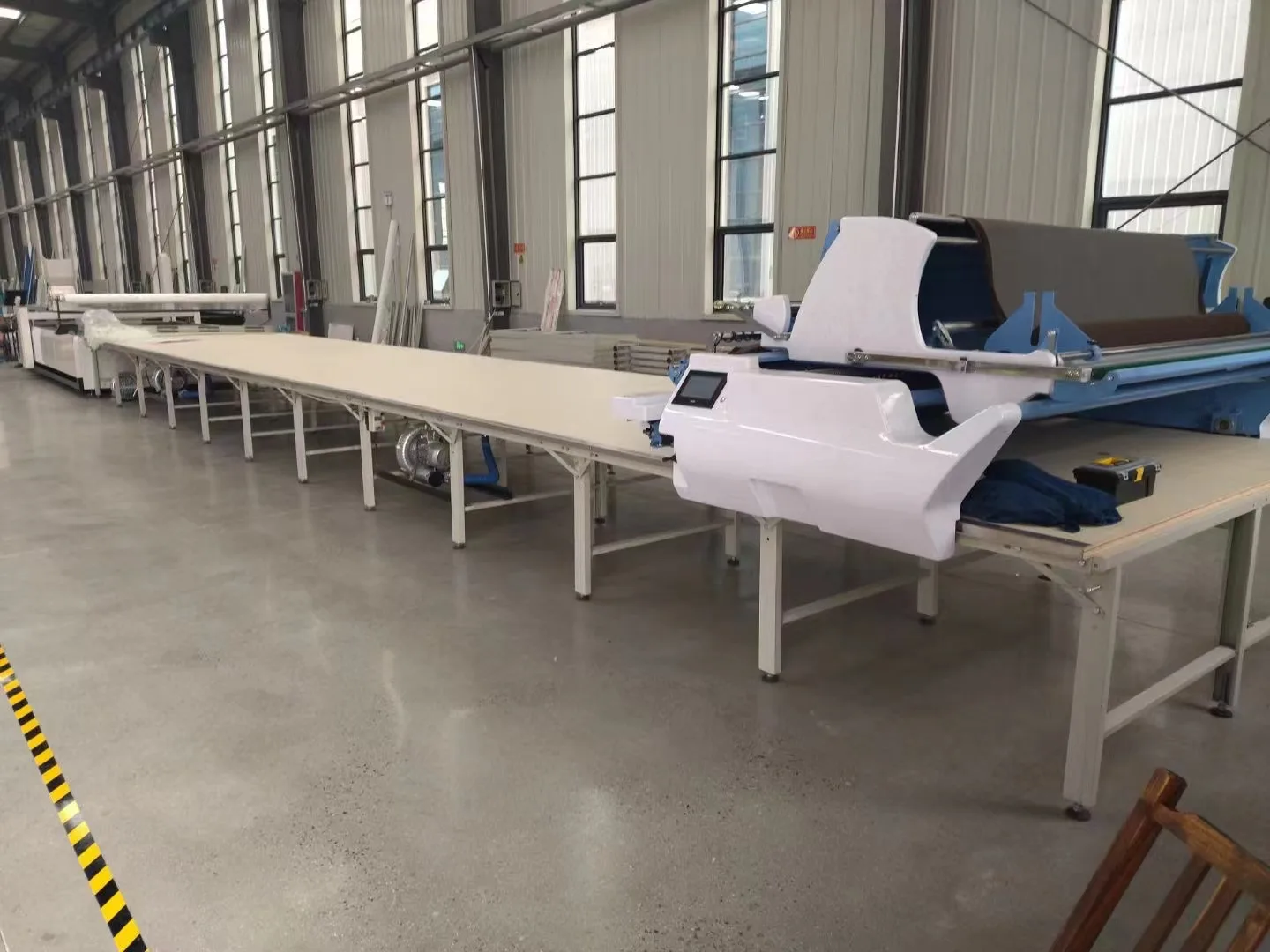
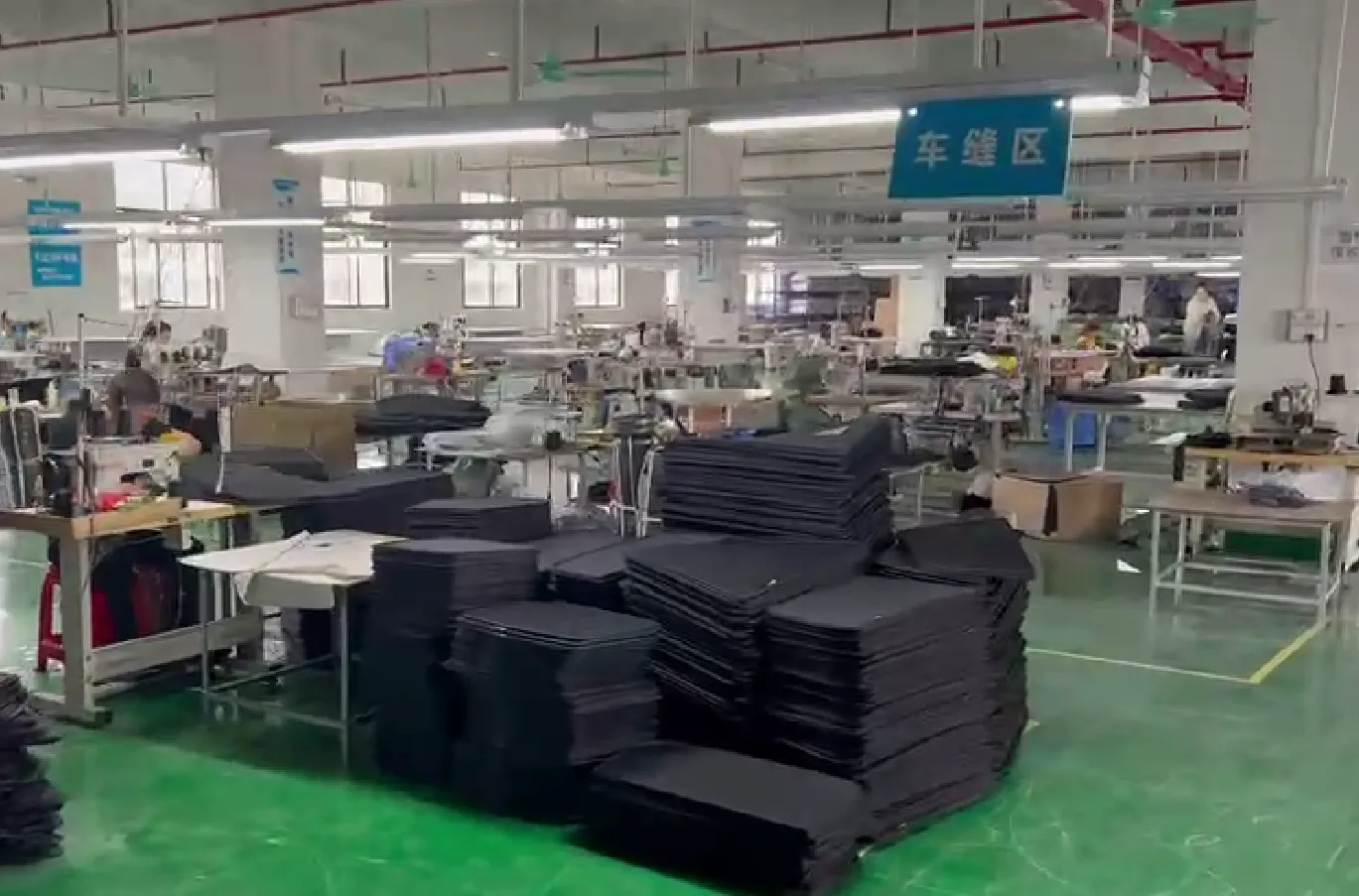
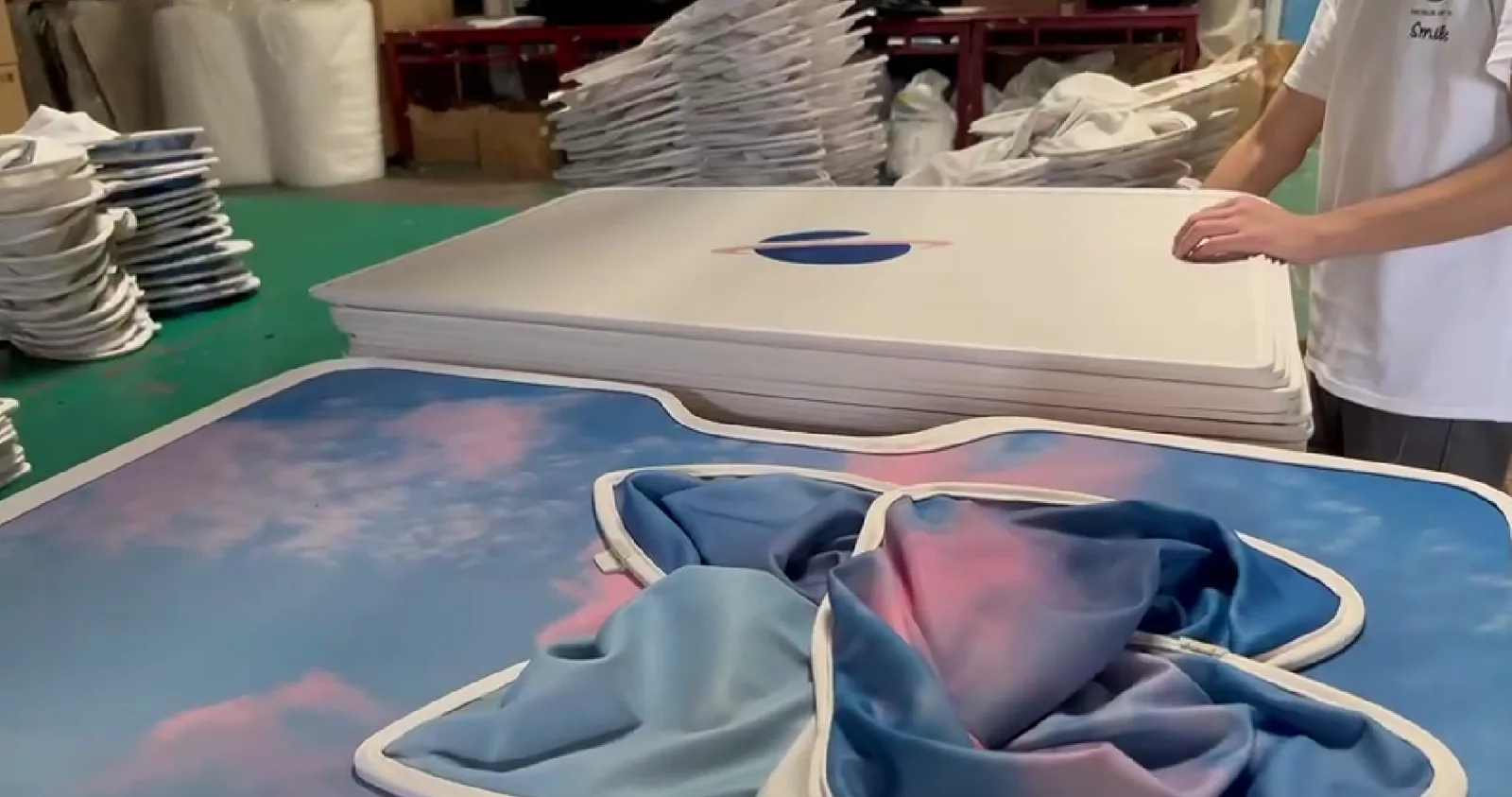
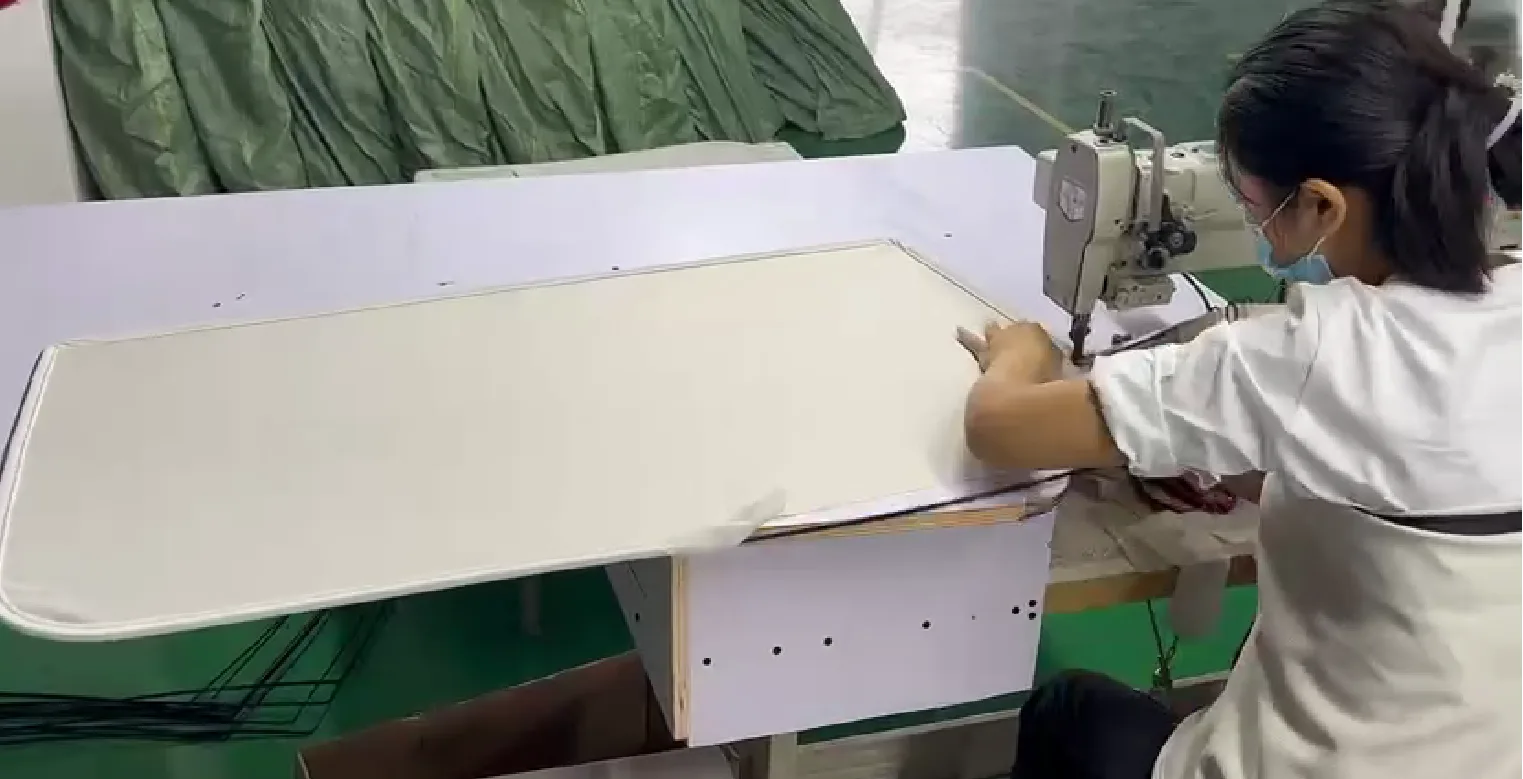
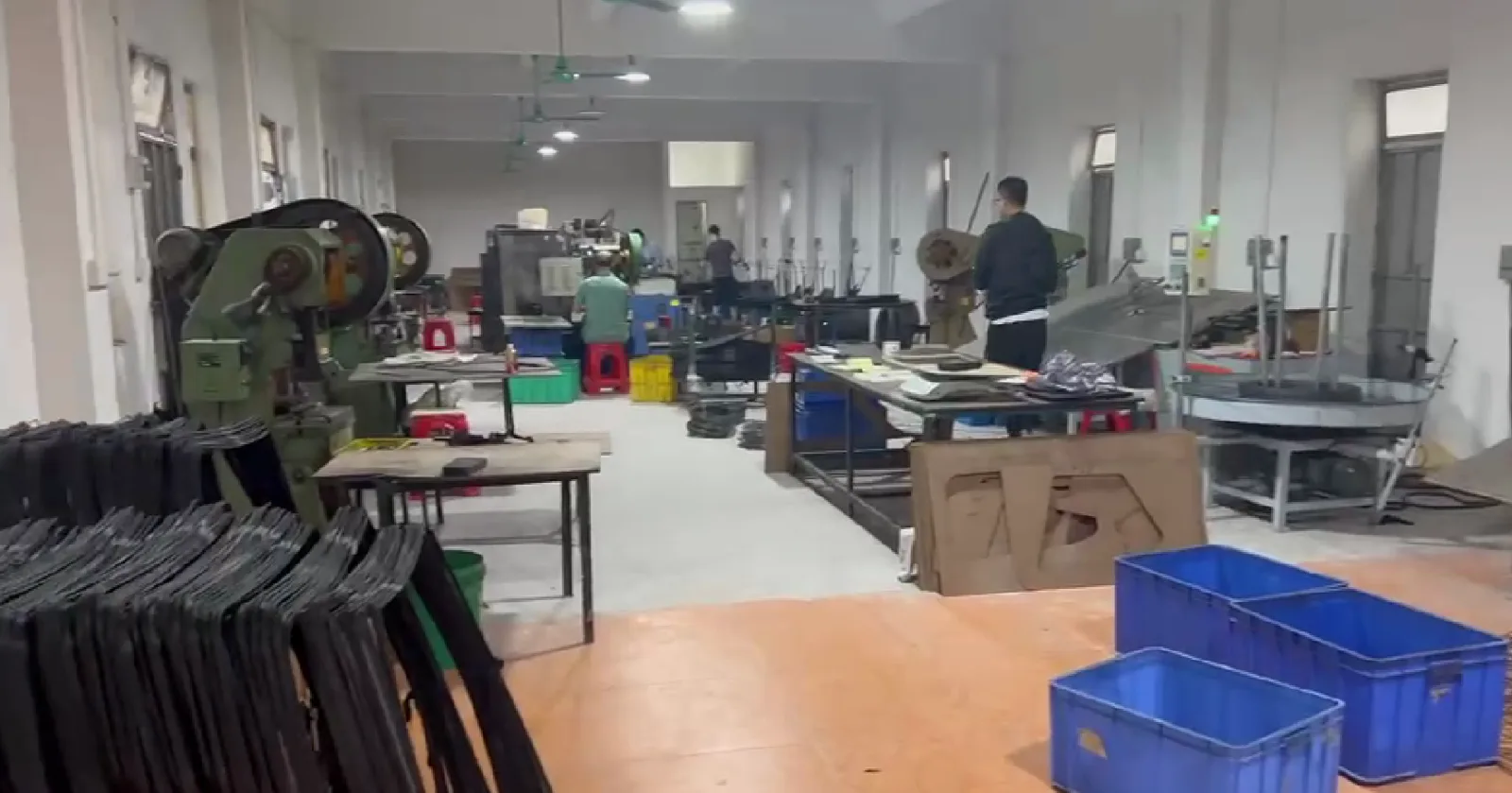
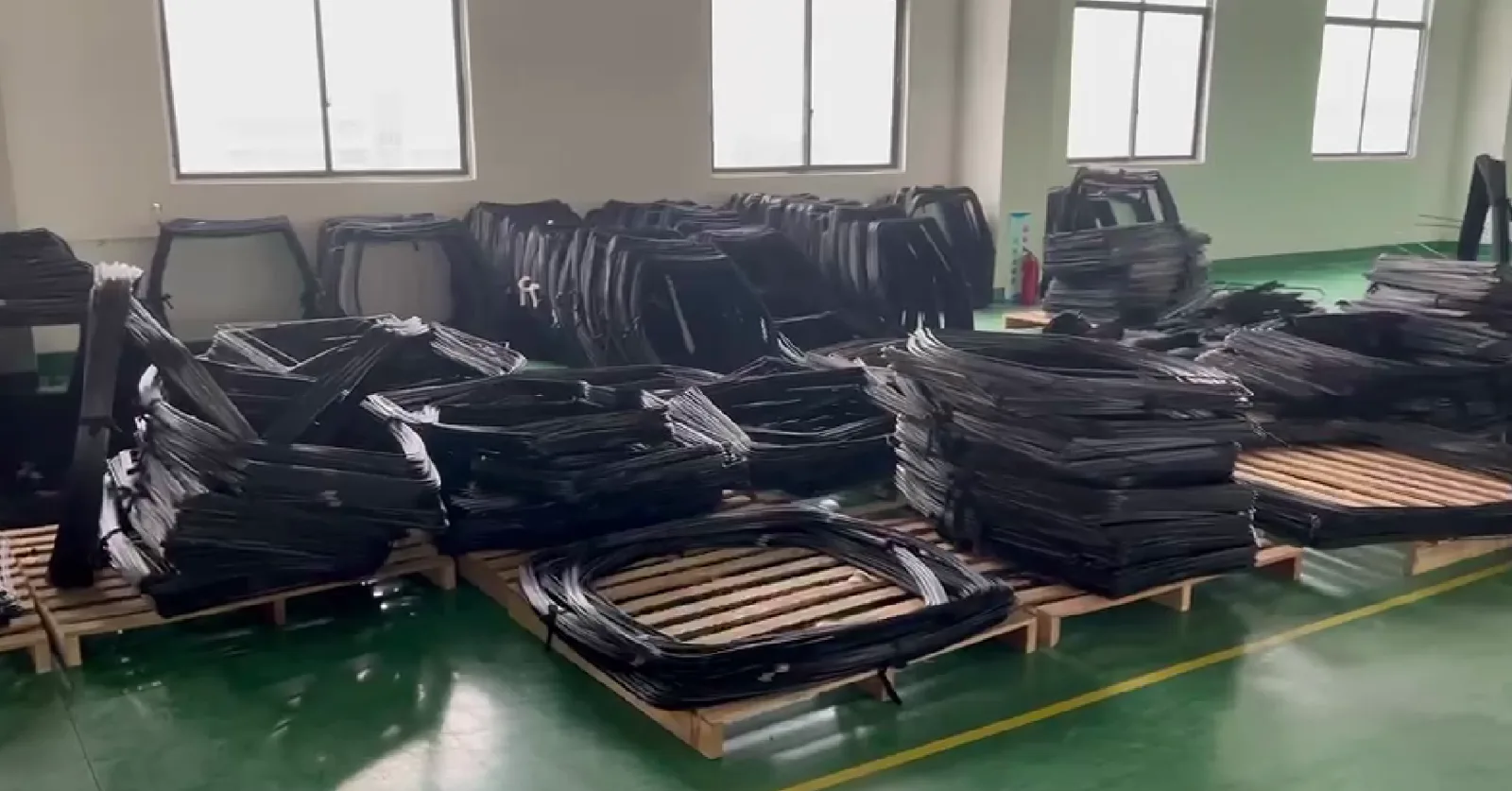
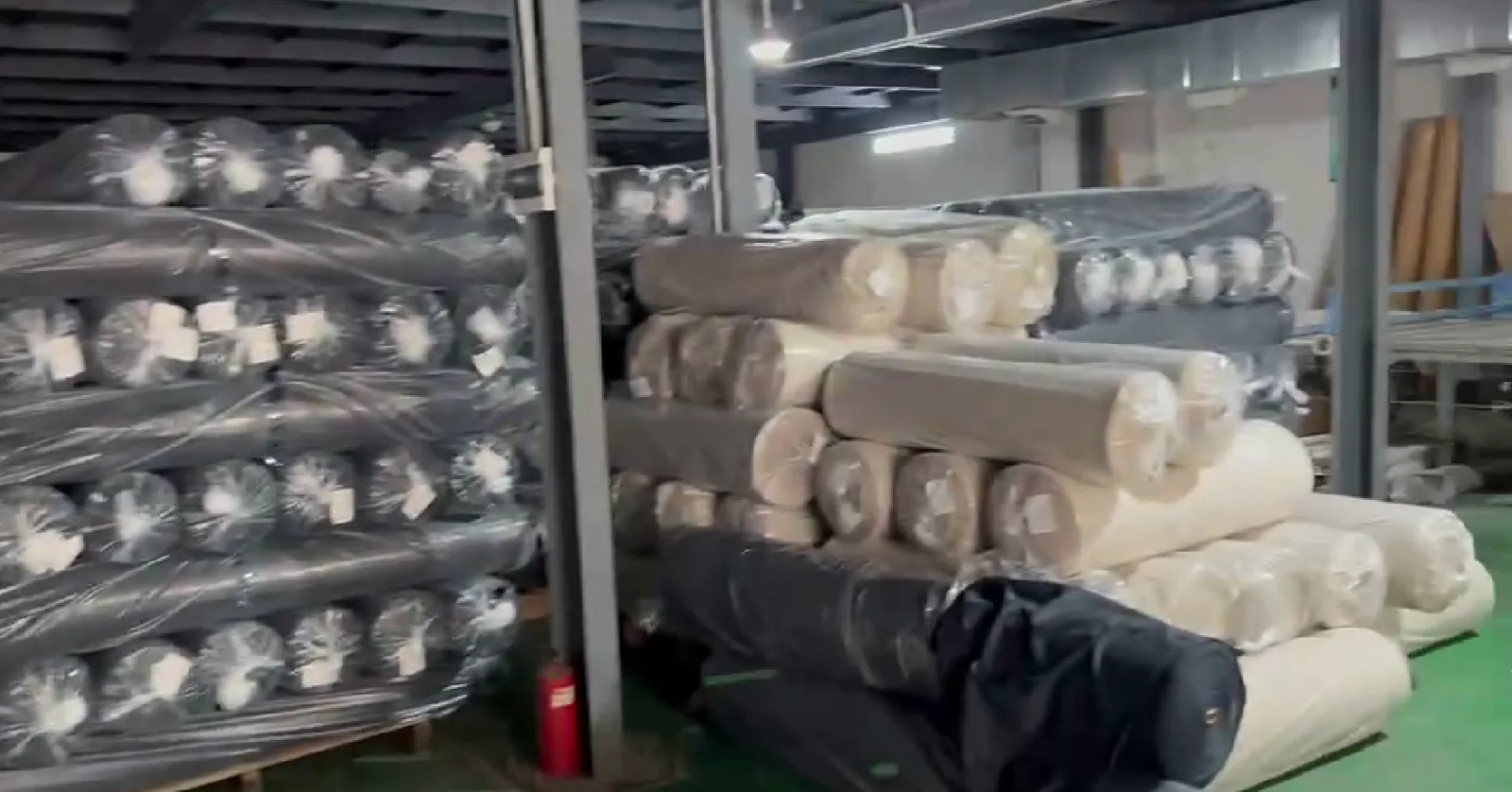
Presses, flatbed cutting, industrial sewing and packing run under one roof. Each workshop works to the specification agreed with you.
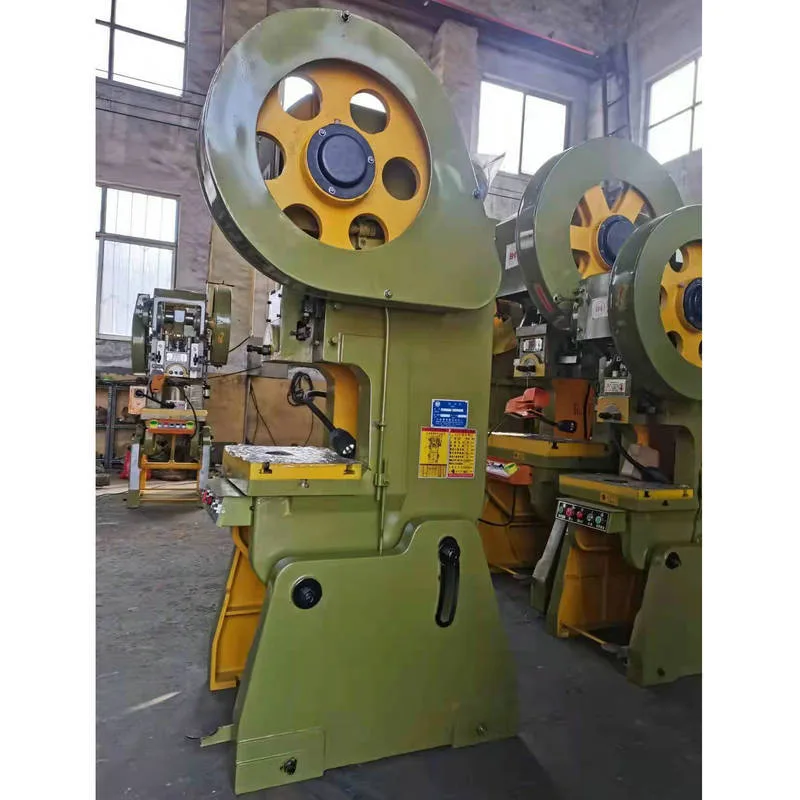
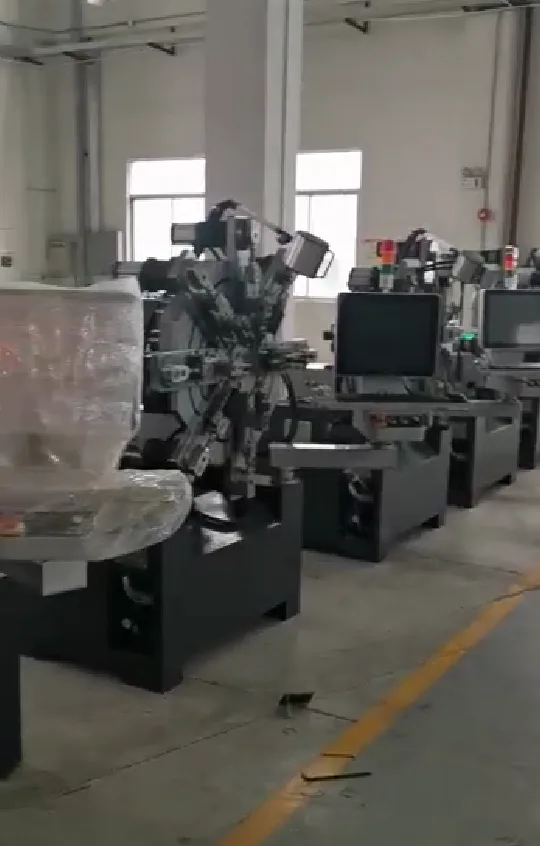
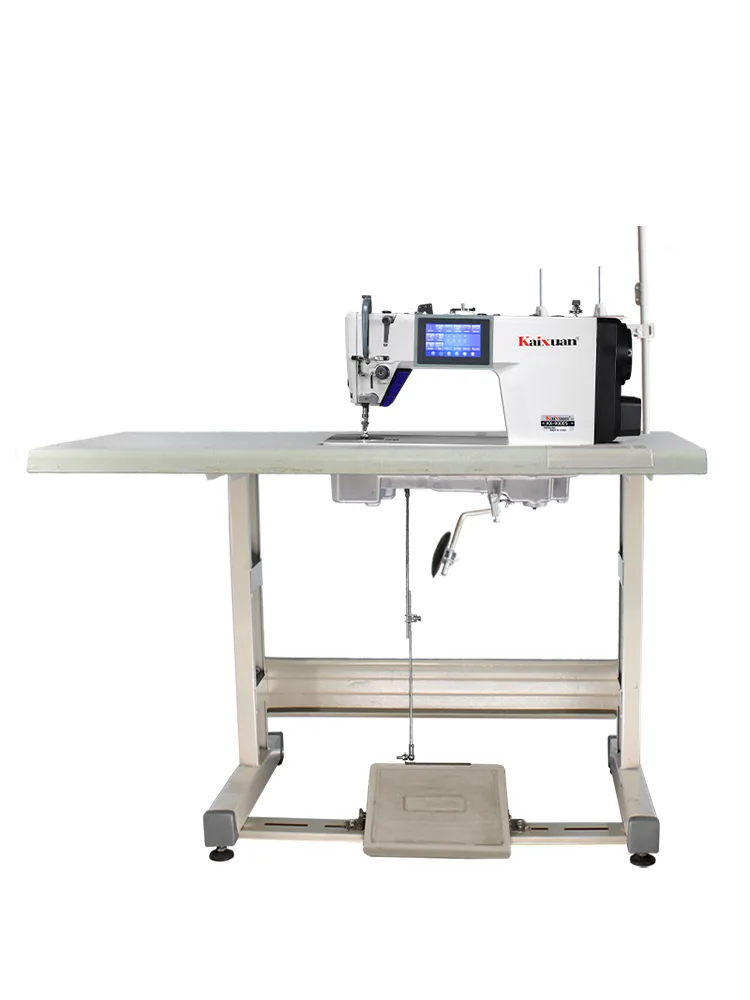
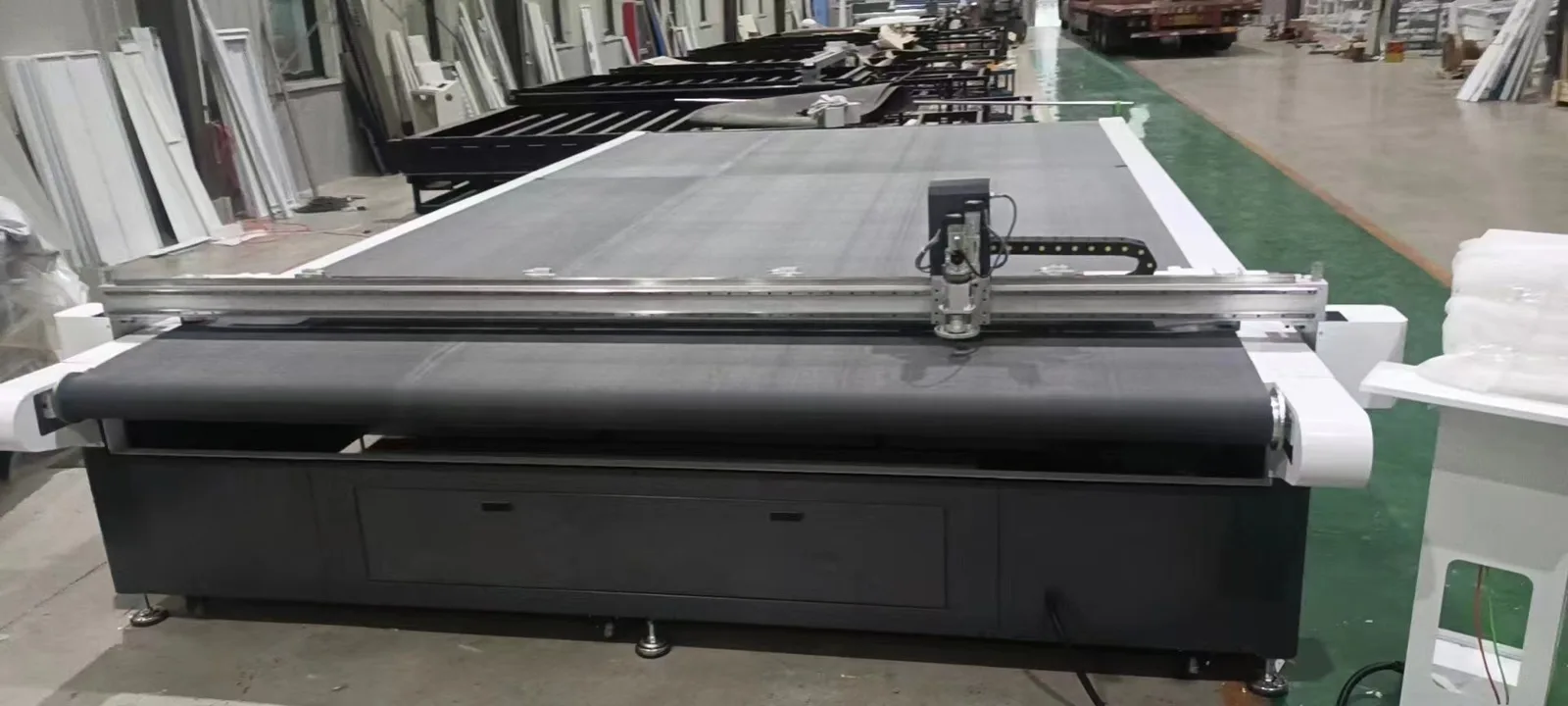
Machine and workshop photos show our own production floor. Capacity, tooling and changeover are confirmed per project.
02 / CONSTRUCTION & PROCESS
The panel, edge, frame and attachments work together. These are the manufacturing decisions we review with you for a removable roller roof shade.
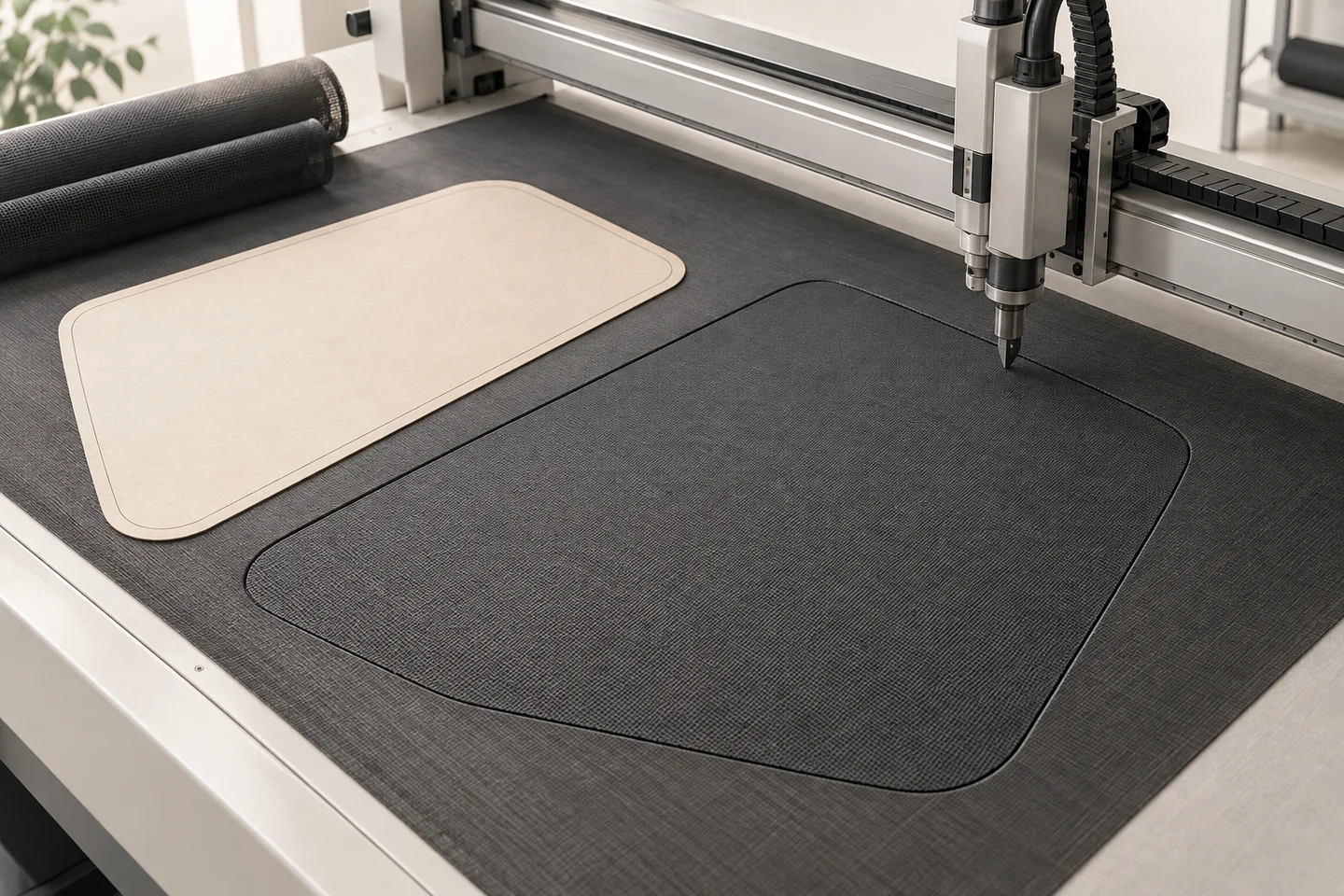
Define the roof opening, trim clearance and fabric requirement. Approve the outline, colour and material sample before cutting.
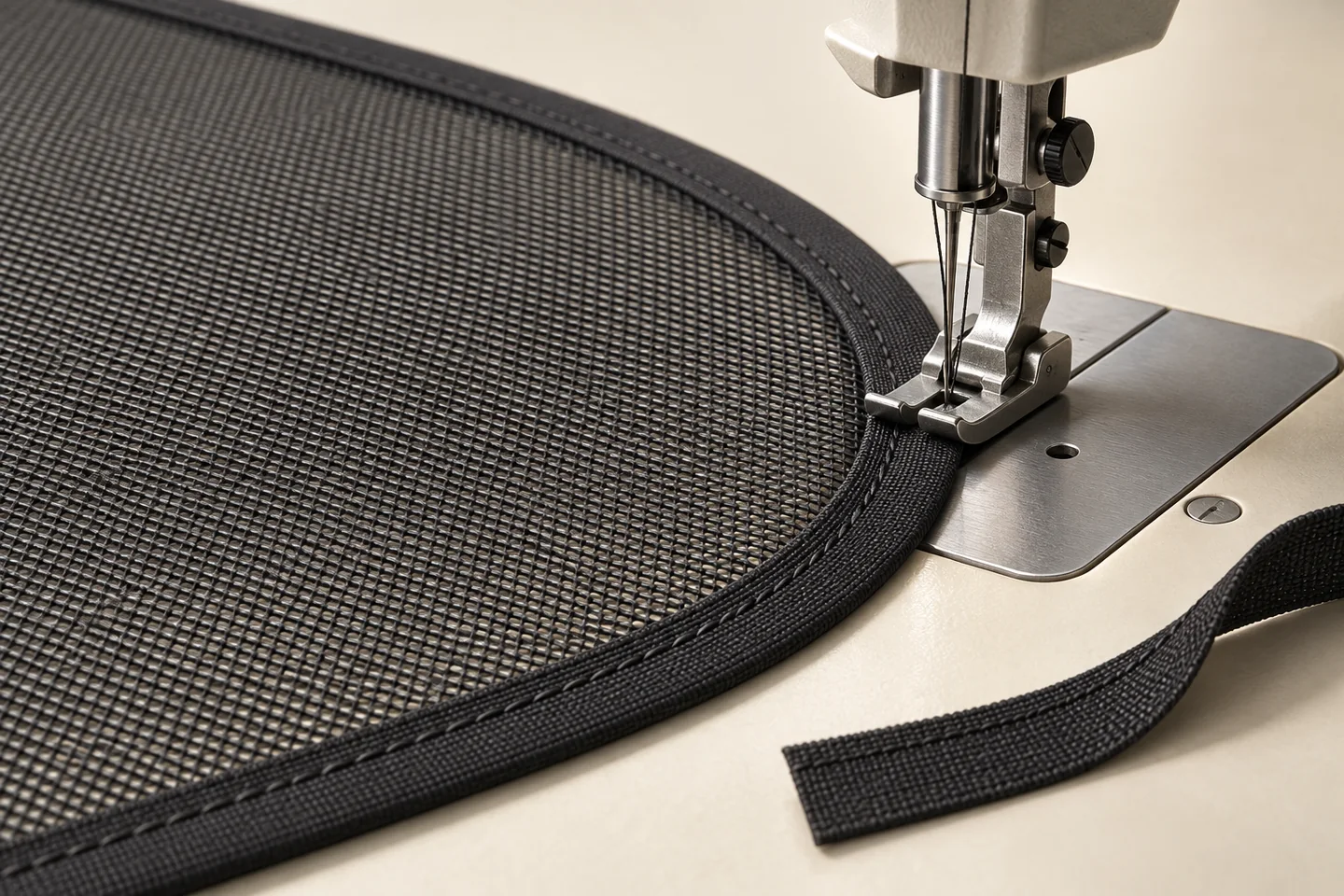
Work from the agreed pattern and seam allowance. Review the curved binding, stitching and edge finish on the sample.
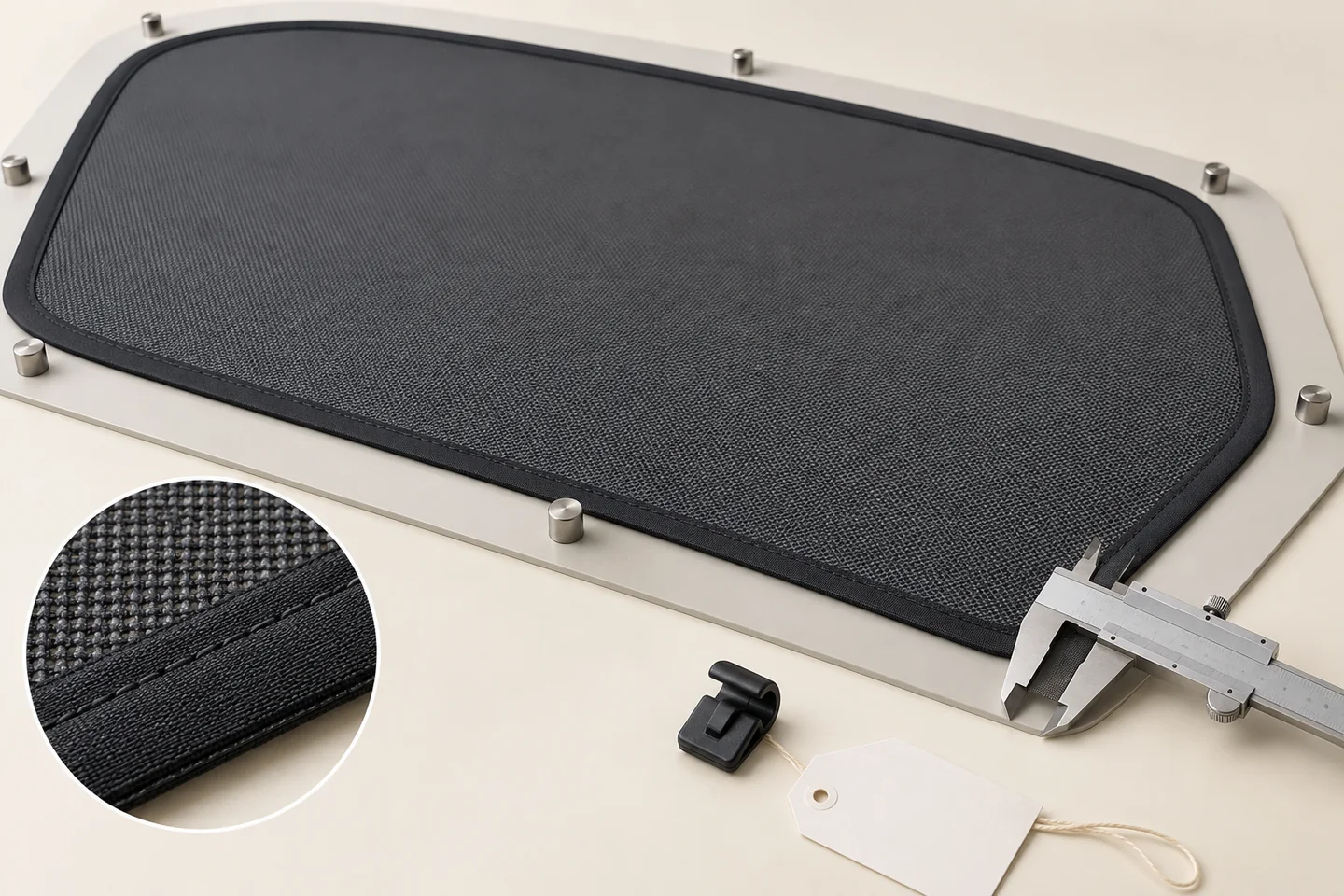
Specify the perimeter frame, tension and clip locations. Check support around the opening and contact with the interior trim.
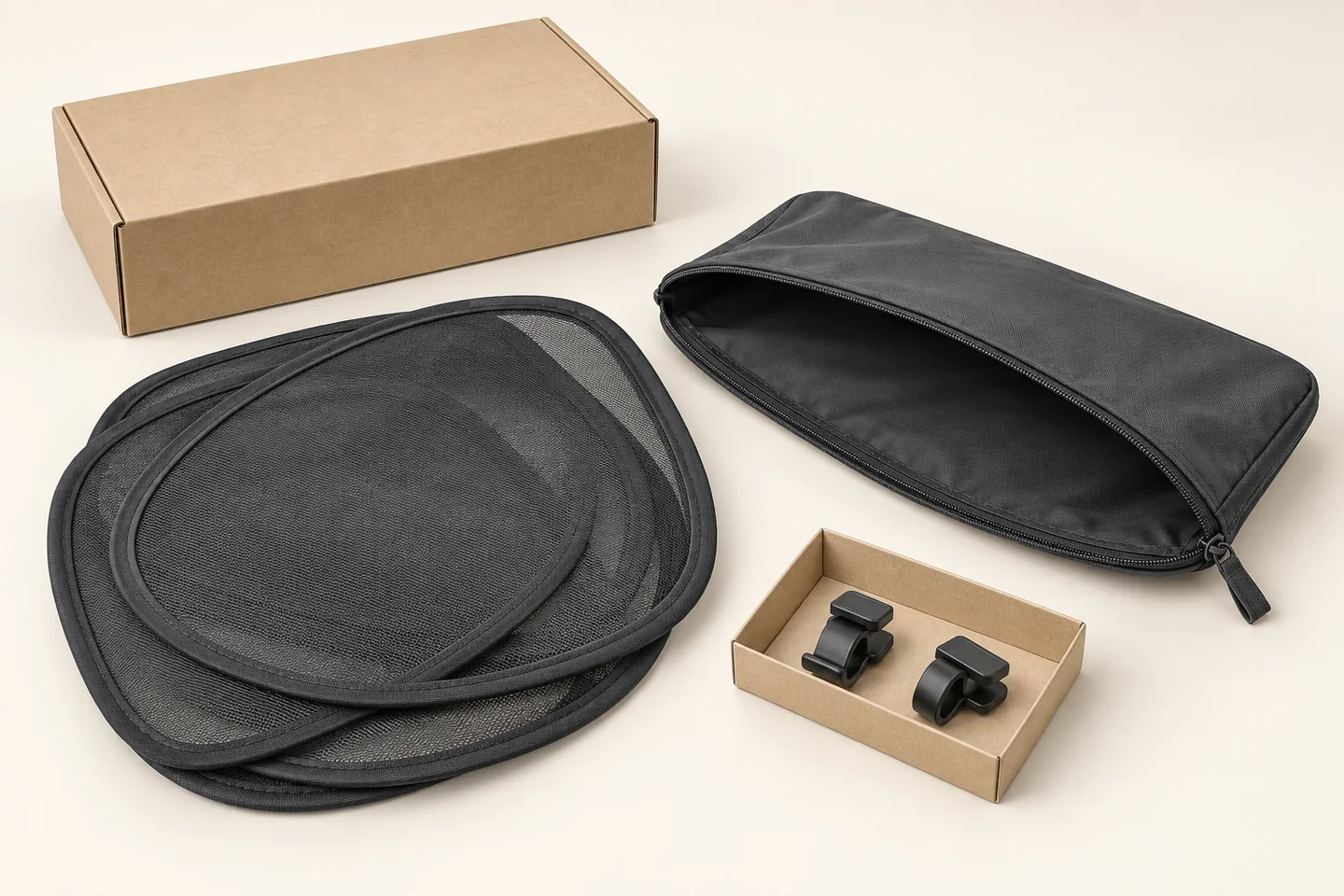
Trial the sample on the target vehicle. Agree installation, folding, pouch size, accessory count and carton labelling before production.
02 / QUALITY SYSTEMS
The factory runs IATF 16949 and ISO 9001 quality management systems covering supplier control, process control and finished-goods inspection. Certificates are on file and shared on request.
The certificates are held on file and cover the site where your order is produced. Tell us the certification scope you need to verify and we will confirm it in writing.
04 / MODEL Y DEVELOPMENT EXAMPLE
A Model Y request needs more than a model name. Use the reference structure below to identify the vehicle and the construction you want to develop.
Discuss a Model Y roof shadeTesla lists a single removable mesh panel below the fixed roof glass. Its rear-liftgate shade is a separate product. For a custom brief, record the roof outline, headliner clearance and fixing locations.
Tesla separates 2020–2024 and selected 2025+ Model Y listings; the newer global roof listing excludes Model Y L. China uses a February 2025 boundary and different clip contents. Request the production date, destination market, trim and roof photos before sampling.
A clip-on mesh panel uses a fabric-covered frame and can fold for storage. A roller shade is a separate development brief. For the removable design, agree fabric, edge finish, frame behaviour, attachment method and packaging; verify the sample on the target vehicle.
Tesla sources describe Tesla accessories only. The illustrations show construction concepts; LesomTech fitment, materials and performance are established through the project sample and agreed tests. No Tesla affiliation is implied.
Use the approved sample and written specification together. Agree the test method and acceptance criteria for any performance claim before ordering.
OEM / private label05 / BUYER APPROVAL FILE
For your project, agree which records are needed before sample approval and production release. Each record should identify the product and the version being reviewed.
Vehicle market, build period, trim, roof photos, drawing revision and the agreed dimensions and tolerances.
Material references, colour swatches, component list and dated photos of the actual sample, linked to its sample ID.
Actual vehicle-trial photos and notes for coverage, clip retention, headroom, removal and folding.
Recorded measurements, appearance findings, accessory count and packing photos. Any performance report must identify the tested product and method.
This is a checklist for the project approval file. The process illustrations above are not completed inspection records or evidence of a verified Model Y fitment.
Discuss your sample and evidence requirements03 / WORKING WITH US
Client names and references are shared on request and only with the relevant party's consent.
Almost two decades on automotive shades only. The line is built for this one product family, not run as a side business.
New shade styles are released every year, with development and tooling handled in-house.
Material, cutting, metalwork, sewing, edge finishing and packing are controlled inside our own plant.
Several online brands run on the same production base, so market feedback reaches the line.
Replacement, claims and repeat orders run through our own defined service process once your line is in production.
Doing one product family well rather than many products adequately.
100 pieces / style
Send a vehicle model, product reference or drawing. A clear brief is enough to start the conversation.